



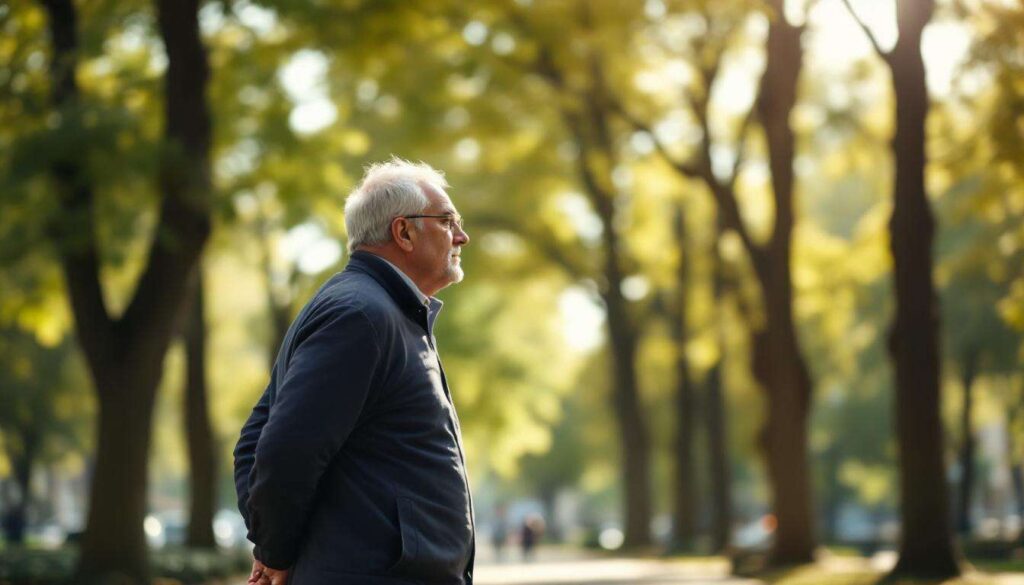
The way we carry ourselves whilst moving through space speaks volumes before we utter a single word. Walking with your hands clasped behind your back is a distinctive posture that catches the eye and prompts curiosity about what lies beneath this seemingly simple gesture. Psychology suggests that this particular stance reveals layers of personality traits, emotional states, and attitudes that shape how we navigate our daily lives. From boardrooms to university corridors, this posture has been observed across cultures and contexts, each instance offering clues about the individual’s inner world. Understanding the psychological significance of this body language can enhance our ability to read others and become more aware of the messages we ourselves transmit through our physical presence.
Body language and the psychology of walking
The fundamental connection between movement and mind
Our walking patterns serve as external manifestations of internal states, revealing emotions and thoughts we may not consciously express. The position of our hands, the speed of our gait, and the openness of our posture all contribute to a complex non-verbal vocabulary that others instinctively decode. Research in behavioural psychology demonstrates that physical gestures are rarely arbitrary, instead reflecting deeply rooted psychological processes.
How posture communicates without words
When observing someone walking with their hands behind their back, we witness a deliberate choice that affects balance, visibility, and accessibility. This posture requires several elements:
- A slower, more measured pace to maintain equilibrium
- Exposure of the torso and chest area
- Reduced ability to gesture or react quickly with hands
- A backward shift in the body’s centre of gravity
Each of these physical adjustments carries psychological weight, signalling particular attitudes and mental frameworks. The hands, normally used for protection, gesticulation, and interaction, are deliberately removed from immediate action, suggesting a conscious shift in engagement mode.
This fundamental understanding of body language sets the stage for exploring the specific meanings associated with hands-behind-back walking, particularly regarding confidence and self-assurance.
Expression of confidence and assurance
Projecting authority through openness
Walking with hands clasped behind the back creates an open frontal presentation that psychologists associate with confidence. By exposing the vulnerable chest and abdomen areas without protective hand positioning, individuals demonstrate a lack of perceived threat from their environment. This openness communicates self-assurance and comfort within one’s surroundings.
The control dimension
This posture also reflects a desire for control, both physical and emotional. The deliberate restraint of the hands suggests:
- Self-discipline and emotional regulation
- Confidence in one’s ability to handle situations without immediate physical readiness
- A commanding presence that doesn’t require defensive positioning
- Comfort with being observed and evaluated
| Posture element | Psychological signal | Perceived trait |
|---|---|---|
| Exposed torso | Absence of threat perception | Confidence |
| Restrained hands | Self-control | Discipline |
| Upright bearing | Status awareness | Authority |
Historically, this stance has been observed in military officers, academics, and leaders who occupy positions requiring visible authority. The posture communicates that one is secure enough not to need hands ready for defence or nervous fidgeting.
However, this confident exterior may sometimes mask a different internal reality, one characterised by contemplation and inner processing rather than outward certainty.
Silent walking and inner tension
The restraint of anxious energy
Whilst hands-behind-back walking often signals confidence, it can equally indicate controlled anxiety or inner tension. The clasping of hands serves a self-soothing function, providing tactile comfort during moments of stress or uncertainty. This dual interpretation highlights the complexity of body language analysis.
Physical manifestations of mental processing
When experiencing internal conflict or stress, individuals may adopt this posture to:
- Prevent fidgeting or nervous hand movements
- Create a physical anchor during emotional turbulence
- Maintain a composed exterior despite inner discomfort
- Process difficult thoughts without external distraction
The tightness of the hand clasp often reveals the intensity of the underlying tension. A firm, white-knuckled grip suggests greater stress than a loose, gentle hold. Observers attuned to these subtleties can distinguish between confident authority and managed anxiety.
Context determines interpretation
The environment in which this posture appears provides crucial interpretive clues. Someone pacing outside an examination room with hands behind their back likely experiences nervous anticipation rather than serene confidence. Understanding context prevents misreading the psychological state being expressed.
Beyond managing tension, this posture also carries connotations of social positioning and professional demeanour, particularly in formal settings.
Respect and professionalism in posture
Cultural and professional associations
In many professional environments, walking with hands behind the back conveys respect, formality, and appropriate boundaries. This posture maintains physical distance whilst demonstrating attentiveness, making it particularly suitable for supervisory roles, educational settings, and ceremonial contexts.
The etiquette of restrained hands
This stance communicates several professional qualities:
- Non-threatening presence in hierarchical situations
- Thoughtful observation rather than immediate intervention
- Respect for personal space and boundaries
- Measured, deliberate approach to interactions
Teachers walking amongst students, supervisors observing work processes, and dignitaries at formal events frequently adopt this posture. It allows engagement without intrusion, observation without intimidation, and presence without domination.
| Professional context | Posture function | Message conveyed |
|---|---|---|
| Educational settings | Non-threatening supervision | Supportive authority |
| Workplace observation | Respectful distance | Trust in competence |
| Formal ceremonies | Dignified presence | Respect for occasion |
The professionalism inherent in this posture connects naturally to its association with deeper mental processes and personal contemplation.
Introspective nature and personal reflection
The thinking person’s gait
Perhaps the most widely recognised psychological association with hands-behind-back walking is deep thought and introspection. This posture facilitates mental focus by removing visual and tactile distractions, allowing the mind to engage more fully with internal processes.
Cognitive benefits of the posture
Walking whilst holding hands behind the back supports reflective thinking through:
- Reduced sensory input from hand movement
- Rhythmic, meditative walking pace
- Physical stillness in the upper body promoting mental clarity
- Minimised external engagement encouraging internal focus
Philosophers, scientists, and creative thinkers have historically been depicted in this posture, reinforcing its association with intellectual activity and problem-solving. The slower pace naturally adopted when walking this way allows for methodical processing of complex ideas.
The relationship between movement and cognition
Neuroscience research suggests that gentle, rhythmic movement enhances cognitive function, particularly for tasks requiring sustained attention and creative thinking. Walking with hands behind the back creates ideal conditions for this cognitive enhancement whilst simultaneously signalling to others that one is engaged in thoughtful consideration rather than available for immediate interaction.
Yet this same posture that can indicate confident reflection may also reveal a more vulnerable psychological state characterised by doubt and insecurity.
Uncertainty and feeling of insecurity
The protective function of hand positioning
Paradoxically, the same posture associated with confidence can also indicate underlying insecurity or uncertainty. Clasping hands behind the back may serve as a self-protective gesture, keeping hands occupied to prevent revealing nervousness through fidgeting or trembling.
Signs of concealed discomfort
When hands-behind-back walking stems from insecurity, additional indicators often appear:
- Downward gaze rather than forward focus
- Rounded shoulders despite upright posture
- Irregular walking rhythm or hesitant steps
- Tense facial expressions contradicting calm body language
The posture may represent an attempt to appear more confident than one feels, adopting an authoritative stance to compensate for internal doubt. This protective mimicry demonstrates how body language can function as both expression and mask.
Contextual vulnerability
In unfamiliar environments or challenging social situations, individuals may adopt this posture as a coping mechanism. The physical act of holding one’s own hands provides comfort whilst projecting an image of composure. Understanding this duality prevents oversimplified interpretations of what appears to be straightforward body language.
| Observable feature | Confident interpretation | Insecure interpretation |
|---|---|---|
| Hand clasp tightness | Relaxed, loose | Firm, tense |
| Gaze direction | Forward, scanning | Downward, avoidant |
| Walking pace | Steady, deliberate | Hesitant, irregular |
The multifaceted nature of walking with hands behind the back demonstrates that body language rarely offers simple, singular meanings. Instead, this posture serves as a rich psychological indicator that requires careful observation of context, accompanying signals, and individual patterns. Whether expressing confidence, managing tension, demonstrating professionalism, facilitating deep thought, or concealing insecurity, this distinctive way of walking reveals the complex interplay between our internal states and external presentations. Recognising these nuances enhances our understanding of human behaviour and reminds us that even the most straightforward gestures carry layers of meaning shaped by personality, circumstance, and psychological need.