



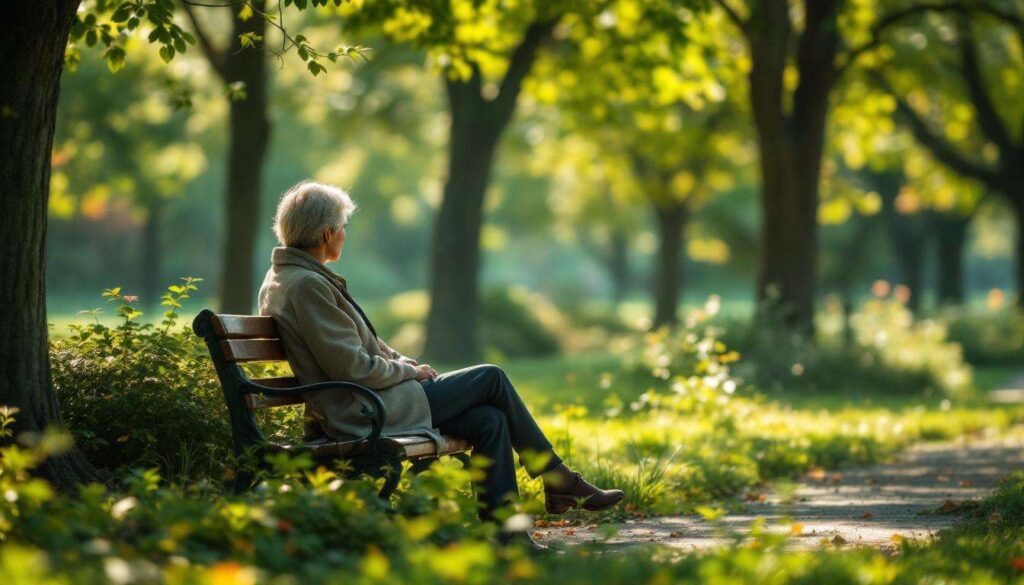
Some people thrive in crowded rooms whilst others find their greatest comfort in quiet moments alone. This preference for solitude over constant social engagement isn’t a sign of antisocial behaviour or loneliness. Rather, psychological research suggests that individuals who genuinely prefer their own company often display a fascinating constellation of personality traits that set them apart. Understanding these characteristics can help us appreciate the richness of human diversity and challenge the assumption that a packed social calendar equates to personal fulfilment.
The capacity for deep reflection
Introspective thinking patterns
Those who prefer solitude demonstrate a remarkable ability for introspection that distinguishes them from their more socially-oriented counterparts. This trait manifests in their tendency to examine their thoughts, emotions, and motivations with considerable depth. Rather than seeking external validation or distraction, they turn inward to process experiences and develop self-awareness.
This reflective capacity offers several advantages:
- Enhanced understanding of personal values and beliefs
- Greater clarity when making important life decisions
- Improved emotional regulation through self-examination
- Development of a nuanced understanding of complex situations
Philosophical engagement
Individuals comfortable with solitude often engage with existential and philosophical questions that require sustained contemplation. They use their alone time to grapple with life’s bigger questions, developing sophisticated frameworks for understanding their place in the world. This intellectual curiosity fuels personal growth and contributes to a rich inner landscape that provides endless fascination.
This reflective nature naturally feeds into another distinctive characteristic found amongst those who embrace solitude.
Heightened creativity and artistic expression
Uninterrupted creative flow
Psychology has long recognised the connection between solitude and creative output. When freed from social obligations and external stimulation, the mind can enter states of deep focus conducive to innovative thinking. Many artists, writers, and inventors throughout history have credited their breakthroughs to periods of deliberate isolation.
| Creative benefit | How solitude facilitates it |
|---|---|
| Original thinking | Freedom from groupthink and social conformity |
| Problem-solving | Uninterrupted time for mental exploration |
| Artistic refinement | Space for experimentation without judgement |
Imaginative exploration
Solitude provides the mental space necessary for imaginative wandering. Without the constant input of social interaction, individuals can explore ideas freely, make unexpected connections, and develop novel perspectives. This creative freedom often results in unique contributions to their chosen fields, whether artistic, scientific, or intellectual.
The creative independence fostered by solitude connects directly to another crucial trait.
Emotional autonomy and resilience
Self-sufficient emotional regulation
People who prefer solitude typically possess exceptional emotional autonomy. They don’t require constant external reassurance or social interaction to maintain emotional equilibrium. This self-sufficiency allows them to process difficult emotions independently, developing robust coping mechanisms that serve them throughout life.
Key aspects of this emotional independence include:
- Ability to self-soothe during stressful periods
- Reduced dependency on others for emotional validation
- Comfort with experiencing the full range of human emotions
- Capacity to sit with discomfort without seeking immediate distraction
Psychological resilience
This emotional autonomy contributes to remarkable psychological resilience. When challenges arise, solitude-seekers draw upon internal resources rather than relying solely on external support systems. Whilst they may still value meaningful connections, they don’t crumble in their absence. This resilience proves invaluable during life’s inevitable difficulties.
Such emotional strength intertwines with a well-developed sense of personal identity.
Strong and authentic identity
Self-knowledge and authenticity
Those who embrace solitude often develop a remarkably clear sense of self. Without the constant influence of group dynamics and social pressures, they can explore their genuine preferences, values, and beliefs. This self-knowledge translates into authentic living, as they make choices aligned with their true nature rather than social expectations.
Resistance to social conformity
A strong personal identity provides immunity to peer pressure and social conformity. Solitude-preferring individuals typically feel comfortable standing apart from the crowd, pursuing interests that genuinely resonate rather than following trends. This authenticity, whilst sometimes socially challenging, leads to greater life satisfaction and personal integrity.
This solid foundation of self-awareness supports another valuable characteristic.
Enhanced focus and productivity
Deep work capabilities
Individuals who prefer solitude often excel at sustained concentration on complex tasks. Free from social interruptions and the cognitive demands of interpersonal interaction, they can achieve states of deep focus that produce exceptional results. This ability proves increasingly valuable in our distraction-filled modern environment.
The productivity advantages include:
- Longer periods of uninterrupted concentration
- Higher quality output due to sustained attention
- Efficient completion of cognitively demanding tasks
- Greater satisfaction from meaningful accomplishment
Strategic energy management
These individuals understand that social interaction, whilst potentially enjoyable, requires significant cognitive and emotional energy. By limiting social engagements, they preserve resources for pursuits they find genuinely fulfilling. This strategic approach to energy management allows them to achieve more in areas that matter to them personally.
Paradoxically, this preference for solitude doesn’t diminish the importance they place on human connection.
Value of deep connections and quality relationships
Preference for meaningful interactions
Those who prefer solitude typically favour quality over quantity in relationships. Rather than maintaining numerous superficial connections, they invest deeply in a select few relationships characterised by authenticity, mutual understanding, and genuine affection. These meaningful bonds provide profound satisfaction that casual acquaintances cannot replicate.
Intentional relationship cultivation
When solitude-seekers do engage socially, they bring full presence and intentionality to interactions. Because they’re selective about their social commitments, they can offer undivided attention and emotional availability to those who matter most. This creates relationships of exceptional depth and resilience.
| Relationship approach | Solitude-preferring individuals | Highly social individuals |
|---|---|---|
| Number of close friends | Few but very deep connections | Many acquaintances, varying depths |
| Social energy allocation | Concentrated on select relationships | Distributed across many connections |
| Interaction quality | Highly intentional and meaningful | Variable depending on context |
Preferring solitude to constant social engagement reveals a constellation of psychological traits that contribute to personal depth, creative achievement, and authentic living. These characteristics include exceptional reflective capacity, heightened creativity, emotional autonomy, strong personal identity, enhanced focus, and appreciation for meaningful relationships. Rather than representing social deficiency, this preference demonstrates psychological sophistication and self-knowledge. Recognising these traits helps challenge cultural assumptions that equate social busyness with wellbeing, validating alternative paths to fulfilment and personal growth.