



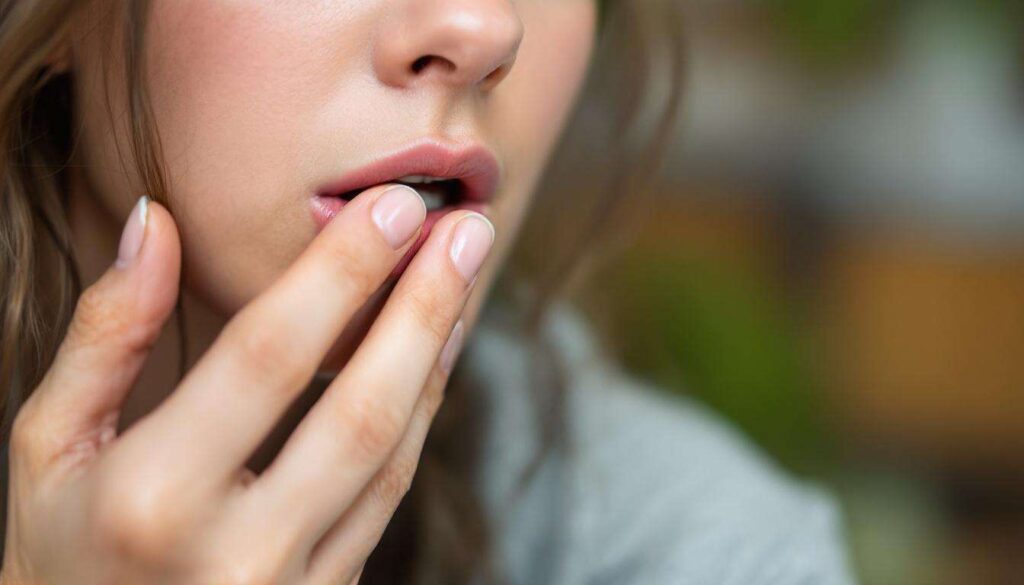
Most people assume nail biting stems purely from nervous tension or momentary anxiety, yet emerging psychological research paints a far more nuanced picture of this widespread behaviour. Affecting an estimated 20 to 30 per cent of the population, this habit transcends simple stress responses and frequently signals deeper personality characteristics that many would find surprising. Understanding the true drivers behind compulsive nail biting requires examining not just emotional states but also fundamental aspects of how certain individuals process their environment and set standards for themselves.
The psychological causes of nail biting
Childhood origins and developmental patterns
Nail biting typically emerges during childhood years, often manifesting between ages three and six as children develop coping mechanisms for managing their emotional landscape. This behaviour rarely appears as a conscious choice but rather as an automatic response to various triggers including overstimulation, boredom, or environmental stressors. Research indicates that children who develop this habit frequently continue it into adolescence and adulthood, with the behaviour becoming increasingly ingrained over time.
The developmental trajectory of nail biting reveals important insights into its psychological foundations. Young children may begin biting nails during periods of transition such as starting school, experiencing family changes, or encountering new social situations. The repetitive nature of the action provides a sensory feedback loop that can temporarily soothe an overwhelmed nervous system, establishing a pattern that persists long after the initial trigger has disappeared.
Emotional regulation and subconscious behaviours
Beyond immediate stress responses, nail biting functions as a form of emotional self-regulation for many individuals. The physical action creates a distraction from uncomfortable internal states, whether those involve anxiety, frustration, or even intense concentration. This mechanism operates largely outside conscious awareness, with many chronic nail biters reporting they only notice the behaviour after it has already begun.
The subconscious nature of nail biting distinguishes it from deliberate stress-management techniques. Unlike intentional relaxation practices, this habit activates automatically when psychological pressure reaches certain thresholds, suggesting it serves as a primitive coping strategy embedded deep within behavioural patterns. Understanding these automatic triggers proves essential for anyone seeking to address the habit effectively.
These psychological foundations set the stage for exploring how nail biting connects to specific personality characteristics that extend far beyond simple nervousness.
Nail biting and perfectionism: an unsuspected link
The perfectionist paradox
Recent psychological studies have uncovered a fascinating correlation between nail biting and perfectionist tendencies, challenging conventional assumptions about this behaviour. Individuals with perfectionist traits often experience heightened frustration when reality fails to meet their exacting internal standards, and nail biting can emerge as a physical manifestation of this internal discord. This connection reveals that the habit may indicate not weakness or poor coping skills but rather an intense engagement with personal standards and expectations.
Perfectionists frequently report biting their nails during moments when they perceive imperfection or incompletion in their work or surroundings. The behaviour appears to provide a release valve for the tension generated by the gap between ideal outcomes and current reality. This pattern suggests nail biting serves as an outlet for the psychological pressure that accompanies holding oneself to exceptionally high standards.
Creativity and cognitive intensity
The relationship between nail biting and perfectionism extends into the realm of creative thinking. Research indicates that individuals engaged in creative pursuits or complex problem-solving often exhibit higher rates of nail biting, particularly during periods of intense mental focus. The habit appears linked to the cognitive intensity that characterises both perfectionist thinking and creative exploration.
| Personality trait | Correlation with nail biting | Typical manifestation |
|---|---|---|
| Perfectionism | Strong positive correlation | Biting during perceived failures or incomplete tasks |
| Creativity | Moderate positive correlation | Biting during intense focus or problem-solving |
| High achievement orientation | Moderate positive correlation | Biting when facing challenging goals |
This unexpected connection between nail biting and positive personality traits reframes the behaviour from a simple bad habit into a potential indicator of cognitive and emotional complexity. Individuals who bite their nails may be processing their experiences through a more demanding internal framework than those who do not exhibit this behaviour.
Whilst these personality connections provide valuable context, the physical and social ramifications of chronic nail biting warrant careful consideration.
The consequences of chronic nail biting
Physical health implications
Chronic nail biting produces a range of physical consequences that extend beyond cosmetic concerns. The repeated trauma to nail beds can result in permanent damage to nail growth patterns, creating irregularly shaped nails that may never fully recover even after the habit ceases. Additionally, the constant introduction of bacteria from fingers to mouth increases susceptibility to infections, particularly around the nail bed where broken skin provides an entry point for pathogens.
The dental implications of persistent nail biting deserve particular attention. The repeated pressure on front teeth can lead to:
- Enamel erosion and increased tooth sensitivity
- Misalignment of teeth over extended periods
- Damage to existing dental work including crowns and veneers
- Increased risk of jaw dysfunction from repetitive motion
Medical professionals note that whilst nail biting itself rarely constitutes a serious health emergency, the cumulative effects over years can create significant problems requiring professional intervention.
Social and psychological impact
The social consequences of chronic nail biting often prove more distressing than physical effects for many individuals. Visible damage to nails and surrounding skin can trigger profound embarrassment, leading people to hide their hands in social situations, avoid activities like hand modelling or certain professional roles, and experience diminished self-confidence in personal and professional contexts.
This social stigma creates a problematic feedback loop where embarrassment about the habit generates additional stress, which in turn triggers more nail biting. The psychological burden includes feelings of shame, loss of control, and frustration at the inability to stop despite conscious desire to do so. Many chronic nail biters report that the emotional distress caused by their inability to cease the behaviour exceeds any physical discomfort.
Understanding these consequences illuminates why addressing nail biting requires examining its connections to broader mental health patterns.
Nail biting and mental health: what it reveals
Anxiety and stress indicators
Whilst nail biting extends beyond simple anxiety, it nonetheless serves as a valuable indicator of underlying stress levels and emotional wellbeing. Increases in nail biting frequency often correlate with elevated anxiety, providing an observable marker of internal psychological states. Mental health professionals may use changes in this behaviour as one element in assessing a patient’s overall emotional condition.
The relationship between nail biting and anxiety disorders warrants particular attention. Research suggests individuals with generalised anxiety disorder, obsessive-compulsive disorder, or attention deficit hyperactivity disorder exhibit higher rates of chronic nail biting compared to the general population. This correlation suggests the behaviour may function as a symptom within a broader pattern of anxiety-related responses.
Neurodiversity and sensory processing
Emerging research highlights the significance of nail biting within neurodivergent populations, where it may serve distinct functions related to sensory processing differences. For individuals with autism spectrum conditions or sensory processing disorders, nail biting can provide necessary sensory input that helps regulate an overwhelmed or under-stimulated nervous system.
This perspective reframes nail biting not as a problematic habit requiring elimination but as a functional behaviour serving legitimate neurological needs. Understanding this distinction proves crucial for developing appropriate interventions that respect individual sensory requirements whilst addressing any harmful aspects of the behaviour.
Recognising what nail biting reveals about mental health and personality naturally leads to exploring effective approaches for managing this persistent habit.
Strategies to overcome nail biting
Behavioural modification techniques
Addressing chronic nail biting requires multifaceted approaches that acknowledge both the automatic nature of the behaviour and its psychological underpinnings. Habit reversal training represents one evidence-based method that helps individuals develop awareness of their nail biting triggers and substitute alternative behaviours when urges arise. This technique involves identifying specific situations that prompt nail biting and consciously implementing replacement actions.
Practical strategies include:
- Keeping hands occupied with stress balls or fidget tools during high-risk situations
- Applying bitter-tasting nail treatments that create immediate negative feedback
- Maintaining short, well-groomed nails to reduce available biting surface
- Using physical barriers such as gloves or adhesive bandages during peak trigger times
- Implementing mindfulness practices to increase awareness of automatic behaviours
Psychological interventions and support
Recent developments in therapeutic approaches highlight the effectiveness of motivational interviewing for addressing nail biting habits. This client-centred counselling method helps individuals explore their ambivalence about changing the behaviour and develop intrinsic motivation for modification. Rather than imposing external pressure to stop, this approach acknowledges the functional aspects of nail biting whilst supporting gradual change.
For individuals whose nail biting connects to perfectionism or anxiety disorders, addressing underlying psychological patterns proves essential. Cognitive behavioural therapy can help modify the thought patterns that contribute to both perfectionist tendencies and the nail biting that accompanies them. Professional support provides tools for managing the internal standards and emotional responses that fuel the behaviour.
Successful intervention typically requires patience and self-compassion, recognising that deeply ingrained habits resist rapid change regardless of conscious intention.
Nail biting emerges as a far more complex behaviour than simple nervous fidgeting, revealing connections to personality traits including perfectionism and creativity whilst also indicating potential anxiety or sensory processing needs. The physical and social consequences of chronic nail biting extend beyond cosmetic concerns, affecting dental health, infection risk, and self-confidence. Effective management requires understanding individual triggers and underlying psychological patterns, employing strategies ranging from behavioural modification to professional therapeutic support. Recognising nail biting as a meaningful indicator of personality and mental health allows for more compassionate and effective approaches to this widespread habit.